
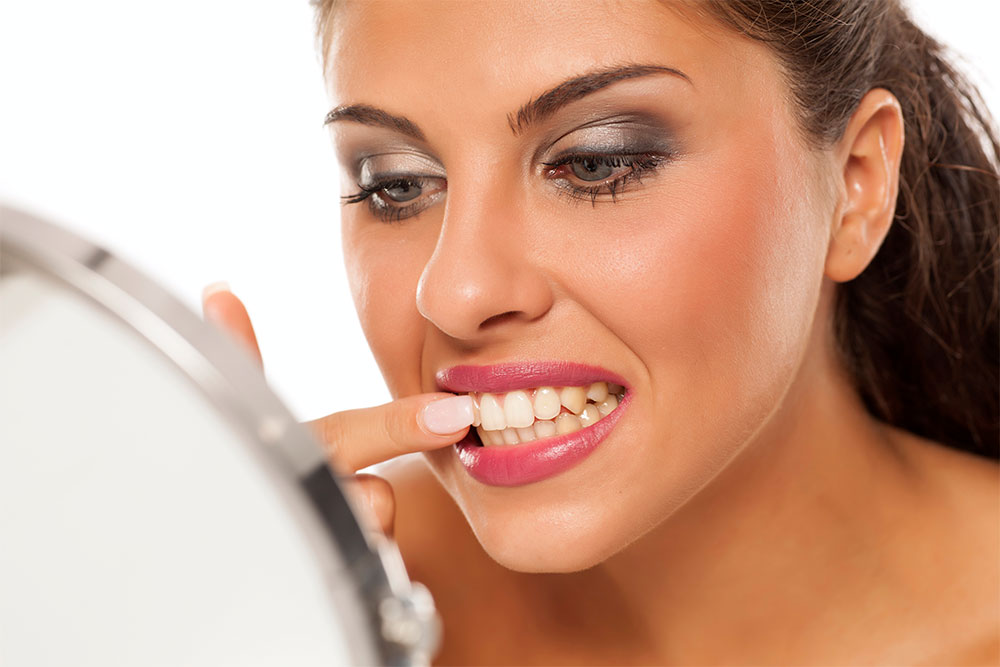
Food getting stuck between teeth while eating is a common and often frustrating experience. While it may seem like a minor inconvenience, frequent food impaction can signal underlying dental issues and increase the risk of cavities, gum inflammation, and bad breath. Addressing the cause, not just the symptom, is essential for maintaining long-term oral health.
Why Food Gets Stuck Between Teeth
- Gaps between teeth due to natural spacing or tooth movement
- Worn or uneven contact points between neighbouring teeth
- Gum recession or shrinking, which exposes more of the tooth surface and creates pockets
- Cavities or damaged fillings that alter the shape of the tooth
- Crowded or misaligned teeth, making certain areas harder to clean
Even small changes in tooth alignment or gum health can increase the likelihood of food impaction.
Why It Should Not Be Ignored
- Plaque buildup and tartar formation
- Gum irritation, bleeding, and inflammation
- Development of cavities between teeth
- Persistent bad breath
Repeated food impaction in the same area may also indicate a structural issue that requires professional attention.
Immediate Ways to Remove Trapped Food
- Use dental floss to dislodge the debris gently.
- Rinse with water or a saltwater solution to help loosen particles.
- Use an interdental brush or water flosser for hard-to-reach areas.
Avoid using sharp objects, such as toothpicks, pins, or fingernails, as they can injure the gums and introduce bacteria.
Long-Term Solutions to Prevent Food from Getting Stuck
Maintain Consistent Oral Hygiene
Address Gum Health
Repair Damaged Teeth or Restorations
Consider Orthodontic Treatment
Misaligned or crowded teeth can create irregular spacing that traps food. Orthodontic treatments such as clear aligner trays or traditional braces can improve alignment and reduce areas where debris accumulates.
Replace Missing Teeth
When a tooth is missing, the surrounding teeth may shift, creating gaps that can trap food. Replacing missing teeth with dental implants, dental bridges, or partial dentures helps restore proper spacing and bite function.
Use Preventive Tools
Incorporating tools such as floss picks, interdental brushes, or water flossers into your routine can improve cleaning efficiency, particularly for individuals with tight or irregular spacing.