Blog of Cawthra Dental
Learn All About Baby Teeth
What are baby teeth?
Baby teeth or “Primary teeth” are the first set of teeth a child develops. A complete primary dentition is made up of 20 teeth. All of these 20 teeth will eventually be lost and replaced by the adult or, permanent teeth.
Why are baby teeth important? Won’t they just fall out?
Preserving and caring for primary teeth is essential for overall growth and development. Healthy teeth are needed for chewing. If children are in pain or missing teeth, they will often choose only to eat foods that require minimal chewing. This can result in lost nutrients for growing bodies as well as weak muscles of the face and jaws. These children often also experience poor sleep patterns which can negatively affect behaviour, mood and development. Dental pain is one of the leading causes of missed days of school.
The last set of baby molars often last in the mouth until age 10-12 and are necessary until that age. These teeth hold the space for the adult tooth developing in the bone underneath, early loss of baby teeth can result in shifting, crowding and expensive orthodontic treatment.
When does my child need to see a Dentist?
A child should visit a dental office by the age of 1, or within six months of the first teeth erupting. This helps not only to catch issues early on but, also to build positive relationships with child patients and their caregivers. Pediatric Dentists complete extra training focused on primary teeth and children’s individual needs. Some issues such as eruption difficulties, eruption cysts and missing or extra teeth can be spotted by a trained professional. Baby teeth are not just smaller versions of adult teeth. Baby teeth often have thinner layers of enamel which can result in faster progression of decay, or cavities.
How do I take care of my child’s teeth at home?
Cleaning baby teeth is very similar to caring for your own teeth. Brushing should take place at least twice a day, with adult assistance. New guidelines suggest that fluoride toothpaste should be used in a small amount (rice grain to pea- sized amount) once teeth start to be seen in the mouth.
Once adjacent teeth are contacting, flossing should become a daily habit. Children should always go to be with a clean mouth, no food or milk should be given after the evening brush and floss.
Good oral habits started early in life can gratefully benefit a child’s physical, mental and emotional health for years to come. Contact us today if your child has not seen a dentist yet, or if you have any questions.
Learn How You Can Smile Confidently With Invisalign
Having straight teeth can not only boost your confidence and give you a smile you will want to show off, but it can also improve your general oral health. Crowded and crooked teeth make it difficult to properly clean away harmful bacteria, making cavities and gum disease more likely. Also, an improper bite can lead to issues with tooth grinding, jaw pain and even bone loss around your teeth.
Many people would like to have straight teeth but do not want to have the look or inconvenience of braces. This is where Invisalign can help.
What is Invisalign?
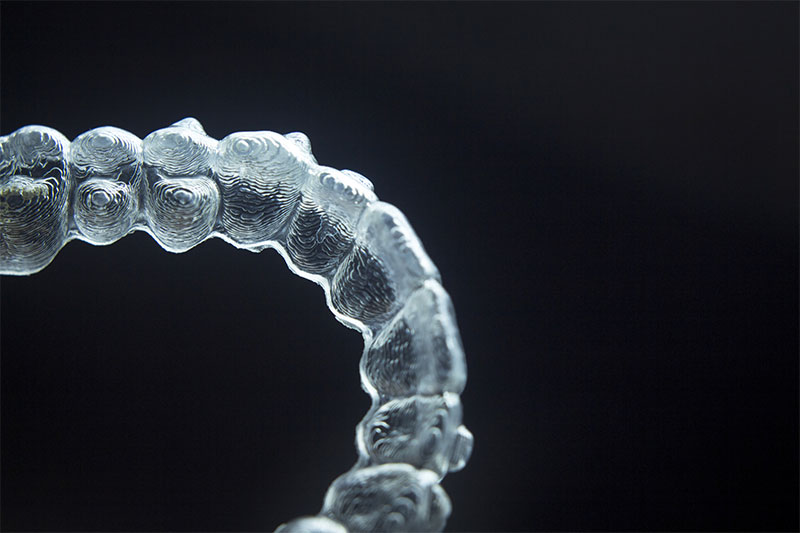
Invisalign is an orthodontic treatment that uses a series of clear plastic aligners to straighten your teeth, no brackets or wires involved.
Is Invisalign right for you?
This will be important to discuss with your orthodontist since they will know your individual needs. Here are some general pros and cons to consider:
Pros:
- With Invisalign, it is easier to clean your teeth. Just remove your aligners and floss and brush as you normally would. Braces have much more surface area for food and bacteria to cling to, and the brackets and wires make flossing and brushing more difficult.
- There is generally less discomfort since there are no brackets or wires to dig into the insides of your cheeks and lips.
- Many foods like popcorn, whole apples, corn on the cob, hard nuts, bagels and caramels need to be avoided when you have braces on.With Invisalign, you don’t have these restrictions since you will be removing your aligners to eat.
Cons:
- Traditional braces are better at fixing complex orthodontic cases. Not everyone will be an ideal candidate for Invisalign treatment.
- Braces are fixed on your teeth and Invisalign is removable. This isn’t an issue if you are dedicated to your following your treatment plan and wearing your aligners as instructed. Leaving your aligners out more than recommended will result in delaying or even reversing your progress.
What is the treatment process?
Consultation – The first step is having a consultation with a dental professional that is specially trained to do Invisalign.
Treatment plan – You will be presented with a plan that will explain your treatment, including costs and how long your treatment will take. You will get the choice to approve of your plan before moving forward.
Starting with your aligners – You will be wearing your custom aligners for 20-22 hours every day. How often your set of aligners will change will be explained in your treatment plan. Typically you would start wearing a new set of aligners either weekly or biweekly. These aligners will gradually move your teeth into their optimal position.
Office appointments – Your dental professional will want to see you for regular appointments to track your progress. These appointments are usually once every six to eight weeks.
After Invisalign – After you complete your treatment, you will want your teeth to stay in their new positions. This usually requires wearing retainers. You can talk to your dental professional about how you can maintain your new smile.
Interested in learning more about Invisalign? Call us today!
Learn How Smoking Affects Oral Health
Smoking, whether it be cigarette, cigar or pipe, is the leading cause of premature death in the province of Ontario with 13 500 deaths each year. Susceptible tissues are anywhere that smoke comes in contact with- cheeks, tongue, lungs, esophagus and stomach.
Smoking can cause:
– Bad breath, called halitosis
– Yellowing internal discolouration of teeth
– Brown external staining of teeth
– Altered sense of taste and smell
– Shifting teeth
– Mouth sores
– Sinusitis
– Dry mouth contributing to heavier plaque and tartar accumulation
– Increased susceptibility to gum disease
– Premature tooth loss
– Inflammation of the oral salivary glands
– Delayed healing process following a tooth extraction or gum surgery
– Increased bone loss around teeth
– A lower success rate of dental implants
– Increased risk of developing oral cancer

Smoking and Gum Disease
Smoking causes an increased risk of developing gum disease. This is due to the adverse effect of smoke on the way gum tissue cells behave. Also, tobacco reduces blood flow to the gums, which provides the necessary oxygen to keep them healthy. Due to lack of oxygen, the gums are left at a higher susceptibility to bacteria and infection. People who smoke are four times more likely to have gum disease than people who don’t smoke.
Smoking and Oral Cancer
Tobacco contains chemicals that initiate an abnormal change in healthy cells. These cells then begin to abnormally and uncontrollably alter and grow, leading to the formation of tumours. The most common places for tumours to develop are the tongue, lower lip and floor of the mouth. Tumours appear as red or white spots/ sores.
Benefits of Quitting
Quitting smoking is the most beneficial, sure-fire way of reducing the risk of gum disease and oral cancer. After 10-20 years without smoking, the risk of developing oral cancer, heart disease and respiratory illness decrease to the same as a non-smoker.
What Is Pregnancy Gingivitis?
What Is Pregnancy Gingivitis?
Pregnancy gingivitis is a subsection of gingivitis that is caused by hormonal changes during pregnancy. Because of the changes in hormones (I.e. increase in estrogen and progesterone), there may be an increased response to the accumulation of oral bacteria, called plaque. The body sends more blood to the gums, which can cause swelling, irritation and bleeding. Also, the change in hormones can make it easier for certain types of bacteria to grow. Although it can occur at any time, the severity of pregnancy gingivitis increases after the second trimester and is most severe in the third. If left untreated, it may progress into a more serious condition called periodontitis. Periodontitis is an advanced form of gum disease that infects the bone that surrounds and supports the tooth, as well as the gum tissue around the tooth.
Signs & Symptoms Of Pregnancy Gingivitis
The gums may appear more red and puffy than usual. There may be some bleeding when brushing or flossing as well as soreness and irritation. Symptoms are typically generalized, but in turn, may appear just localized to a specific area. Pregnancy granulomas, also known as pregnancy tumours, may arise during any trimester. These are bulbous, swollen pieces of gum tissue between teeth that are caused by the change in hormones. Pregnancy gingivitis can range from mild to severe.
Preventing Pregnancy Gingivitis
Because there is an increased response to plaque, the best form of prevention is to keep teeth and gums as clean as possible. It is always essential to maintain good oral hygiene, especially during pregnancy. Brushing at least twice a day at the gum line, flossing at least once a day and using an antimicrobial mouth rinse is considered best practice. It is also essential to maintain regular professional cleanings during the pregnancy; more frequent cleanings may even be recommended based on the symptoms. In most cases, symptoms will slowly reduce and return to normal within a couple of months after the pregnancy.
Advantages Of Dental Implants
Choosing Dental Implants For Teeth Replacement
If you have one or more missing teeth, then you will be faced with a few options for replacing those missing teeth. Many patients decide on a tooth replacement option based on the cost of treatment and length of time required for the treatment. However, it is better to consider other factors and think about the long-term effects of each chosen tooth replacement option. Learn why most dental professionals consider a dental implant the best tooth replacement option.
Secure & Permanent
While a dental bridge also offers the same secure fit as a dental implant, a dental bridge will not last a lifetime. With proper care, a dental bridge can last for many years, but it will require replacing at some point. A dental implant, however, can last a lifetime with proper care and maintenance. Dental implants are a permanent option, they cannot be removed like a partial or complete denture, so there is no need to worry about them shifting or moving when smiling. As well, many patients are able to enjoy all of their favourite foods, such as eating steak or corn due to the secure fit and strength of dental implants.

Prevents Bone Loss In The Mouth
Many patients are unaware that the natural teeth in their mouth are helping to prevent bone loss in the jawbone. Whenever teeth are missing from the jawbone, that particular area of the jawbone begins to shrink. Over time, the shrinking results in a sunken facial appearance that makes the person look older than they are. Dental implants are secured into the jawbone, similar to the natural teeth, so they offer the same benefits as natural teeth when it comes to helping preserve bone in the mouth.
If you are considering dental implants, contact us to schedule your consultation today!
Medical Conditions That Affect Oral Care
When it comes to oral health, many patients think of the mouth as being separate from other areas of the body. However, the health of the mouth is shown to affect other areas of the body through recent studies. Here is a list of conditions that affect oral health and requires altering of how dental care is provided.
Allergies
It is vital to let your dentist or dental hygienist know if you suffer from any allergies to certain foods, medications, or products. This will allow your dental professional to modify treatment and use of certain dental materials or drugs for a safe visit.
Diabetes
Diabetes and your oral health are closely linked as demonstrated by various areas of research. It is important to let your dental professional know if you have diabetes, and whether it is properly controlled or not. Patients with diabetes often require more regular dental care to monitor their oral health and help with managing their diabetes. Poorly controlled diabetes is shown to cause delayed healing in the body as well as an increased risk for gum disease.

Medications
A comprehensive and up-to-date list of all medications is essential for your dental professional to have. Ask your pharmacist to print a list of your medications for easy access and records.
Pregnancy
If you are pregnant or planning to become pregnant, it is a good idea to let your dental professional know. Specific dental procedures should be completed before or after pregnancy. For example, dental x-rays and fluoride applications are usually held off on during pregnancy. Dental cleanings during pregnancy are commonplace, however.
High Blood Pressure
Specific dental procedures cannot be performed if blood pressure readings are too high. Medical clearance by a family doctor may be needed before specific dental treatment.
Asthma
People living with Asthma need to bring their prescribed inhalers to their dental appointments. Patients that use inhaled corticosteroids are at an increased risk of developing oral candidiasis.
Heart Attacks
If you recently suffered a heart attack, specific dental procedures may be postponed unless a medical doctor provides medical clearance.
Keep these things in mind the next time you visit your dentist. If your medical or dental history has changed since your last visit, let your dental provider know before any treatment is started. Call us to schedule your visit today.
Other Causes Of Bleeding Gums
We all know that gum disease or gingivitis is responsible for most causes of bleeding gums. Specifically, the harmful bacteria that resides on teeth and under the gums. Maintaining your oral health through regular brushing and flossing works most of the times. However, other causes affect gum health that needs to be handled differently. Learn more about the other causes and what you can do to prevent them from causing harm.
Pregnancy
During pregnancy, the increased hormone levels can make it more likely to develop a condition called pregnancy gingivitis. With pregnancy gingivitis, the body has an exaggerated response to the harmful bacterial dental plaque in the mouth As a result, it causes the gums to become red, tender, swollen, and bleed easily when eating or brushing and flossing. Ensuring that your practice regular oral care at home using the correct cleaning techniques is the best way to avoid this condition.
Diabetes
Studies show a link between gum disease and uncontrolled diabetes. If your blood glucose levels or blood sugars are not managed to safe levels, you have an increased chance of gum inflammation. As well, if you have gum disease, it affects the ability of your body to control blood glucose levels. These two things are connected, so it is important to let your dental professional know of any changes to your medical and dental health at every visit.
Stress
Chronic stress levels lower the body’s ability to resist bacteria and viruses. When this happens, it makes it increases the chances of getting sick and makes it easier to develop gum disease. Managing stress levels is vital.
Poor Nutrition
A regular diet that is lacking in essential vitamins will slow the body’s healing and increase your risk of poor oral health. Ensure that you eat a balanced and nutritional diet.
Follow these tips along with your regular brushing and flossing routine at home to prevent bleeding gums and to ensure optimal oral health and overall health.
Why Are Dental X-Rays Necessary?
What Are Dental X-rays?
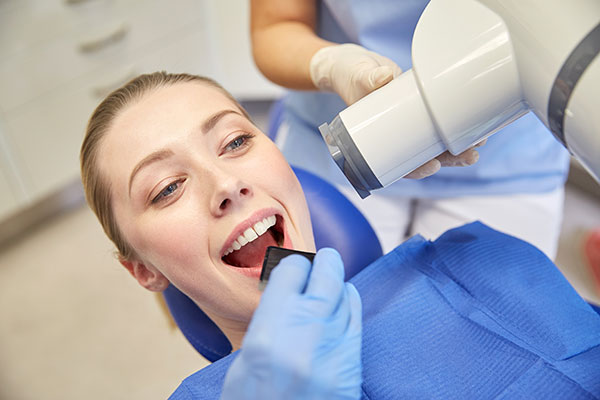
Dental x-rays are also called dental radiographs. X-rays are a vital tool in all areas of dentistry. Your dental professional uses x-rays to diagnose dental issues that cannot be seen with the naked eye. These areas are often under the gums or between the teeth. Radiographs offer a 2D image of the bone and teeth in the mouth.
Why Are They Necessary
Your dentist prescribes dental x-rays based on your individual needs. Certain factors are taken into account when prescribing x-rays. Factors such as your age, oral condition, dental history, risk of developing cavities, amount of dental fillings, dental implants, dental crowns, etc.
Issues with wisdom teeth that are either coming in or that have not come in can be diagnosed with x-rays. X-rays are used to check and monitor the development of teeth in children and teenagers.
Dental pain is sometimes hard to diagnose especially when the pain occurs due to an issue under the gums. Dental x-rays can diagnose current issues, and even detect potential issues before they become more severe. As well, some dental issues may not result in any pain until they become severe. Regular dental check-ups and preventive x-rays will help you to avoid costly dental treatment by using preventive measures.
Benefits And Risks
While dental x-rays do produce ionizing radiation exposure, the levels are minimal when compared to other sources. Radiation exists naturally in the environment that we are exposed to on a daily basis. Most dental offices now use digital x-ray technology which results in as much as 90% less radiation. As well, digital x-rays offer greater diagnostic ability when viewed on a computer as they allow changes in contrast, brightness, sharpness, etc. to help with diagnoses.
All dental professionals follow the ALARA principle which aims to produce radiation levels as low as reasonably achievable. Protective equipment is also placed on patients to rule out exposure to other areas of the body.
Dental x-rays are a vital part of any dental check-up or exam. The benefits of radiographs far outweigh the minimal risks when it comes to treatment and diagnosis of your oral health. Contact us today to schedule your dental visit.
How Often Should You Go To The Dentist?
The answer varies depending on your oral health along with many factors. Your dentist or dental professional considers your current oral health, and the history of your oral health before setting a recare frequency.
Considerations When Deciding On A Recare Interval
Gum Disease
Inflammation of the gums negatively affects oral health and overall health. Studies show links between systemic health and oral health. Bacteria in the mouth can travel to other parts of the body through the bloodstream. Signs of gum disease include swollen, red and tender gums that bleed easily.
Periodontal Disease
An advanced form of gum disease which involves the bone loss in the mouth. More cleanings are necessary to stop periodontal disease and maintain oral health.
Increased Cavity Risk
If someone has an increased risk of developing cavities, frequent dental check-ups are required to monitor oral health.
Tartar
Tartar build-up occurs at different rates for different people. Frequent dental cleanings remove tartar before it causes irreversible damage in the mouth.
Oral Hygiene
Motivation levels and ability are considered. Patients with dexterity issues need cleanings more often.
Diabetes
Diabetes and gum disease are linked. Uncontrolled diabetes and gum disease both affect each other. Let your dentist know if you have diabetes, especially if it is uncontrolled.
Lifestyle factors
A significant risk factor for periodontal disease is smoking. Patients who smoke frequently require frequent check-ups and cleanings to monitor oral health.
Orthodontics
Patients with braces have a harder time keeping their teeth clean. The metal brackets and wires attached to the teeth restrict easy access to teeth. Frequent cleanings may be necessary if plaque is not removed properly. However, some patients maintain a clean mouth easier with an electric toothbrush.
All of these factors, along with other factors unique to you are considered when deciding on a recare interval. Your recare interval determines the frequency of your dental cleanings and dental check-ups.
How To Care For Your Baby’s Mouth
When your baby is born, it is easy to be overwhelmed by all the feedings, sleep deprivation, and diapers. Taking care of their mouth is the last thing on your mind, but it is important not to neglect it. The mouth can tell us many things if we pay attention. If your baby suddenly doesn’t want to eat or drink, check their mouth. Maybe there’s a sore present, or teething has started.
How to keep baby’s mouth clean
After nursing or feeding, it is always a good idea to let your baby sip water. Sometimes food or liquids get trapped in the cheeks, so this is a way to rinse it away.
Two-person cleaning
Begin by laying your baby, face up, on your lap, resting their head on the lap of the other person. Gently, but firmly, hold your baby’s arms on their chest or by their sides to minimize squirming. The other person can proceed to clean the mouth.
One person cleaning
If you are alone, lay baby down, face up, on a flat surface where there is no chance of falling. You can gently, but firmly hold their arms on their chest with one hand, or give them a toy to distract them while you clean the mouth.
Mouth Cleaning Considerations For Your Baby
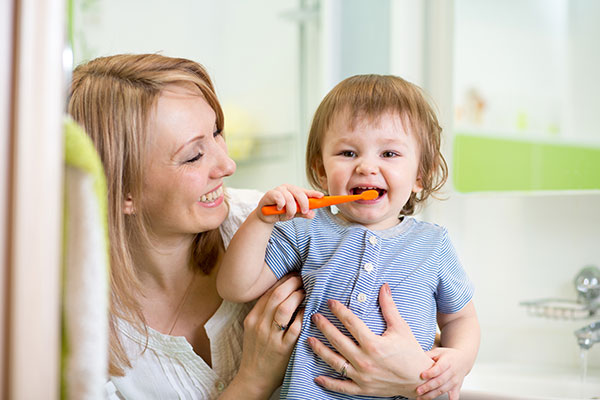
When it comes to cleaning the mouth, the method you use depends on whether your baby has teeth or not. Most babies start getting their teeth between 2-5 months, but there is a small percentage of babies who are born with teeth (these are called natal teeth).
If there are no teeth, use a clean cloth that has been dampened with warm water and gently wipe the insides of their mouth.
If the teeth are present, it is recommended to use a soft finger toothbrush. It will protect your finger from being bitten while allowing you to clean their mouth. You can also supplement with a clean cloth to wipe the rest of the mouth.
Once you put the cloth or toothbrush near your baby’s mouth, their natural reaction will be to open their mouth. If not, gently try to pry their mouth open. If they do not co-operate, try the next day again. Try the best you can, and if it doesn’t work out on a particular night, don’t force the issue.
The earlier you start cleaning your baby’s mouth, the sooner they will get used to the process, and the easier it will be for your child to transition to toothbrushing. Contact us for more information.