Blog of Cawthra Dental
Learn If Vaping Affects Your Oral Health
The use of e-cigarettes or vaping is increasing. These products are easily available in specialty stores and some convenience stores. Many of these items are sometimes sold as a safe alternative when compared to smoking. However, are they really safe?
What is vaping?
Vaping is the inhalation and exhalation of vapors produced by an electronic cigarette or a similar device. Most of the research available is divided on the effectiveness of electronic cigarettes as an aid to quit smoking. Health Canada has not approved their use as a quit smoking aid. Some researchers are are concerned that the use of vaping products may act as an avenue or gateway to nicotine dependence.

Some studies show that the use of electronic cigarettes can make young people more willing to try traditional cigarettes. Additionally, the vapor liquids are available in appealing flavours for younger users. While a lot of progress has been made to reduce the use of traditional cigarettes in Canada, the introduction of electronic cigarettes may be doing the opposite.
How does vaping work?
Traditional cigarettes use fire to produce smoke. However, electronic cigarettes are battery powered and use a battery to produce heat. The heat produced is used to heat the liquid which produces a vapor. Some electronic devices can be filled manually with the vaping liquid, while others come with pre-filled cartridges.
Vaping and your health
Most of the known risks that are associated with electronic cigarettes are due to the addictive qualities and negative effects of nicotine. Additional research is required to determine the risks due to inhaling these substances long-term.
Due to the lack of scientific research, most dental professionals do not approve of their use at this time. If you have additional questions about your oral health and the effects of smoking, contact your dental professional.
Oral Health During Cancer Treatment
Cancer affects almost everyone, with statistics from the Canadian Cancer Society showing that about 1 in 2 Canadians will develop cancer in their lifetime. Those undergoing cancer treatment experience a wide range of adverse side effects, including oral complications. Oral complications may be prevented or lessened in severity with proper oral care before and during cancer treatment.
Before cancer treatment:
Any dental work needed, such as fillings or extractions, should be done before beginning your cancer treatment. A dental cleaning and proper oral hygiene instruction limits your risk of oral complications during treatment. Elective dental treatment (anything non-emergency) is usually not recommended during chemotherapy. Consult with your oncologist before receiving dental treatment.
During cancer treatment:
The risk level for oral side effects depends on the type of cancer and the cancer treatment being received. Those receiving head and neck radiation have the most severe oral complications. Here are some common complications that occur:
Mucositis- Inflammation of the mouth, including mouth sores and swelling. This condition is quite painful and debilitating and may affect the ability to eat, talk and perform regular oral hygiene.
Oral infections- Some of the medications used to treat cancer may weaken the immune system. This can increase the risk of fungal, viral or bacterial oral infections.

Dry mouth- This symptom can be very uncomfortable and increase the risk of dental cavities. Dry mouth usually goes away after finishing chemotherapy but may be a permanent condition if receiving radiation therapy to the head and neck.
Neurotoxicity- Some chemotherapy drugs can affect the nervous system and cause nerve damage. Oral symptoms may include changes in taste and pain of the mouth and jaws. This is usually temporary but may take months to go away.
Fatigue- A common side effect during cancer treatment. Fatigue may lead to neglect of oral hygiene which would increase the risk of oral complications.
Oral care during cancer treatment:
These are generalized recommendations for oral care during cancer treatment. Your oncologist and dental professionals should be consulted for individualized recommendations that best suit your needs.

Brush twice a day- Keeping up with your regular brushing schedule will help keep bacteria levels under control and prevent further dental problems. An ultra-soft toothbrush may be needed if experiencing mouth pain.
Floss daily- It is very important to remove the food and bacteria from your teeth daily to prevent issues with dental cavities and gum inflammation. This may need to be discontinued during some cancer treatments if the risk of bleeding and bacteremia (bacteria entering the bloodstream) is too high. Consult with your oncologist.

Mouthrinses- A soothing mouthrinse of baking soda and water (1 tsp baking soda in 1 cup of water) can be used for those with mucositis or after vomiting to neutralize acids. A saliva replacement rinse such as Biotene may be helpful for those experiencing dry mouth. Alcohol-containing mouthrinses should be avoided during cancer treatment due to the risk of further irritating the tissues.
Fluoride treatments- For those receiving head and neck radiation and experiencing saliva dysfunction, at-home fluoride treatments may be necessary to prevent dental cavities.
Some oral complications are so debilitating that it may require a delay in cancer treatment. Good oral hygiene will help to ensure proper cancer treatments can take place, as well as improved quality of life and reduction of pain and oral infection. When your cancer treatment is complete, your oncologist will advise you when you can safely continue with regular dental treatment.
What Is A Dental Bridge?
What is a Dental Bridge?
A dental bridge is a fixed prosthesis that is used to replace one or more missing teeth. The dental bridge fills a gap by attaching itself to the adjacent teeth. However, this will require the adjacent teeth to have a crown placed first. Then the replacement tooth will be joined in the middle. Once the dental bridge is set, it cannot be removed by the patient.
Why is it needed?
Here are a few reasons to consider a dental bridge for tooth replacement:
Enjoy All Foods Again: Eating certain foods becomes difficult without back teeth to grind, crush and tear food, or the front teeth to bite into and cut or slice food. Having a dental bridge to replace a missing tooth improves chewing function.
Improved Appearance: If you have a missing tooth, especially in the front of the mouth, it has a significant impact on appearance. A dental bridge enhances your smile by replacing missing teeth to restore your smile.
Prevent Drifting Of Teeth: Missing teeth can also cause the surrounding teeth to shift. Often the tooth behind the gap may start to move forward which may affect your bite. The teeth above the gap may begin to extend into the free space. This causes an improper bite which may lead to jaw problems.
Avoid Food Traps: Dental bridges close the space where food may get caught between teeth. Food traps are uncomfortable since the gums may become more inflamed when the food is not removed. If left-over food is not removed, it increases the risk of decay on the adjacent teeth.
The process of getting a Dental Bridge:
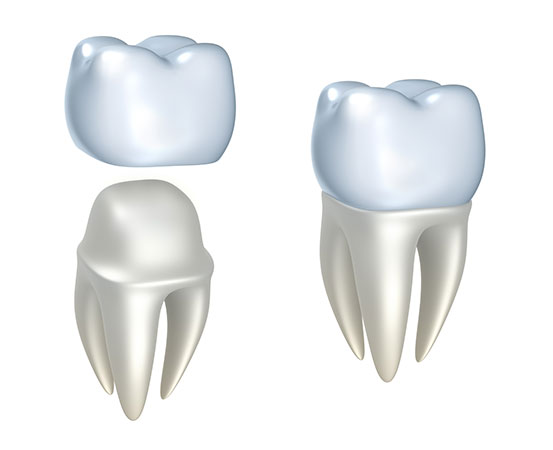
Getting a dental bridge is a multi-step process. First, the dentist will prepare the adjacent teeth for a crown. This requires removing some of the enamel to allow dental crowns to fit over the teeth properly. After this step, dental impressions are taken of your teeth and sent to a dental laboratory. However, in some cases, your dentist will make a temporary bridge to wear until the dental lab completes the permanent bridge. Once the permanent bridge is ready, your dentist will ensure it fits, and make any necessary adjustments before securing the bridge permanently.

We offer a wide range of tooth replacement options for every budget and smile. Book an appointment now to see if a bridge is the right option for you. Call 647-952-5996