
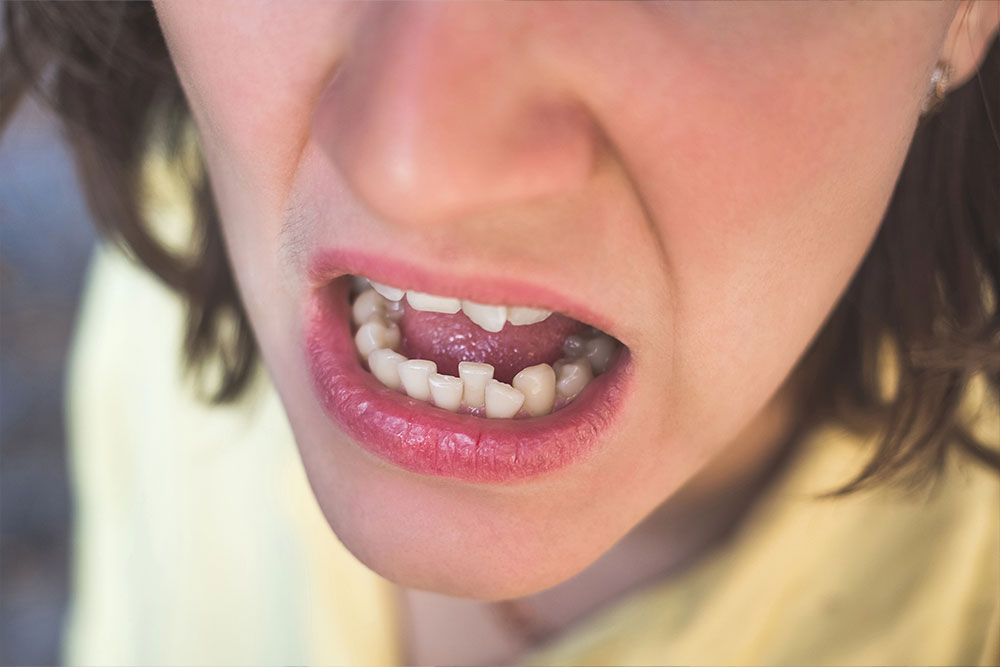
Crowded teeth are one of the most common orthodontic concerns, affecting both children and adults. While many people view dental crowding as a cosmetic issue, its effects go far beyond appearance.
When teeth overlap, twist, or compete for space in the jaw, they can create significant challenges for oral hygiene, bite function, and long-term dental health.
Understanding how crowded teeth impact the mouth can help patients recognize why early assessment and appropriate treatment are so vital.
What Are Crowded Teeth?
Crowded teeth occur when there is inadequate space in the jaw for all teeth to align correctly. As a result, teeth may overlap, rotate, or become displaced outside the dental arch. Crowding can develop during childhood as permanent teeth erupt, or it may worsen over time due to natural changes in the jaw, tooth shifting, or tooth loss.
Crowded teeth can vary from mild to severe, and even minor crowding can have meaningful effects on oral health.
Difficulty Maintaining Proper Oral Hygiene
One of the most significant impacts of crowded teeth is how difficult they make daily oral hygiene. When teeth overlap or are tightly packed, toothbrush bristles and dental floss often cannot reach all surfaces effectively. These hard-to-clean areas become prime locations for plaque and food debris to accumulate.
Over time, plaque buildup increases the risk of:
- Tooth decay
- Gum inflammation (gingivitis)
- Tartar formation that requires professional dental cleanings
Even individuals who regularly brush and floss may struggle to keep crowded areas clean, thereby increasing their risk of dental problems.
Increased Risk of Gum Disease
Crowded teeth are closely linked to periodontal (gum) disease. Dental plaque trapped between overlapping teeth irritates the gums, leading to redness, swelling, and bleeding. If this inflammation is not addressed, it can progress from gingivitis to periodontitis, a more serious condition that damages the bone and connective tissues supporting the teeth.
As gum disease advances, it can cause gum recession, tooth mobility, and in severe cases, tooth loss. Crowding makes it more difficult to control the bacterial buildup that drives this process.
Higher Likelihood of Tooth Decay
Tooth decay often develops in hard-to-clean areas, particularly between teeth. Crowded teeth create tight spaces where bacteria thrive, and acids remain in contact with enamel for extended periods. These acids weaken enamel and increase the likelihood of cavities.
Cavities between crowded teeth can be challenging to detect early and may require more extensive treatment once discovered.
Bite Problems and Uneven Tooth Wear
Crowding can affect how the upper and lower teeth come together when biting or chewing. An uneven bite may place excessive force on certain teeth, leading to abnormal enamel wear, chipping, or cracking over time.
In some cases, bite imbalances associated with crowding can contribute to jaw discomfort, muscle strain, or temporomandibular joint (TMJ) symptoms. Proper alignment helps distribute chewing forces evenly and protects teeth from unnecessary stress.
Speech and Functional Concerns
In moderate to severe cases, crowded teeth may affect speech clarity, particularly sounds that require precise tongue and tooth positioning. Chewing efficiency can also be reduced, as misaligned teeth may not function together as intended.
These functional issues may develop gradually and are often overlooked until alignment is corrected.
Impact on Confidence and Oral Health Habits
Crowded teeth can also influence how individuals feel about their smile. Self-consciousness about dental appearance may lead some people to smile less or avoid certain social situations.
Treatment Options for Crowded Teeth
Orthodontic treatment is the most effective way to address crowding. Depending on the severity, options may include braces, clear aligners, or other orthodontic appliances that gradually reposition teeth and create proper spacing.
Correcting crowding improves access for brushing and flossing, reduces the risk of tooth decay and gum disease, and promotes better bite function. In many cases, orthodontic treatment is not only cosmetic but preventive.
Early evaluation and appropriate treatment can improve both dental health and quality of life. Proper alignment allows for easier hygiene, healthier gums, more balanced function, and a smile that is easier to maintain for years to come. Contact us today to schedule your appointment or consultation.